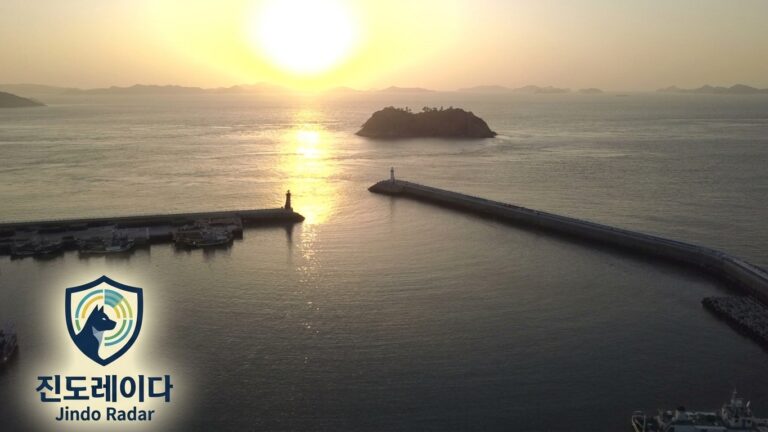
By Kyung-jun Ji (Jindo Radar, Jindo) – The April breeze in Jindo carries an unusually bitter, salty scent. It is not solely due to the sea wind. It is because the wailing that once echoed through Paengmok Port and the undried tears of those who lost their families still seep deeply into this land. Facing the sea where someone’s entire world collapsed, society promised never to forget.
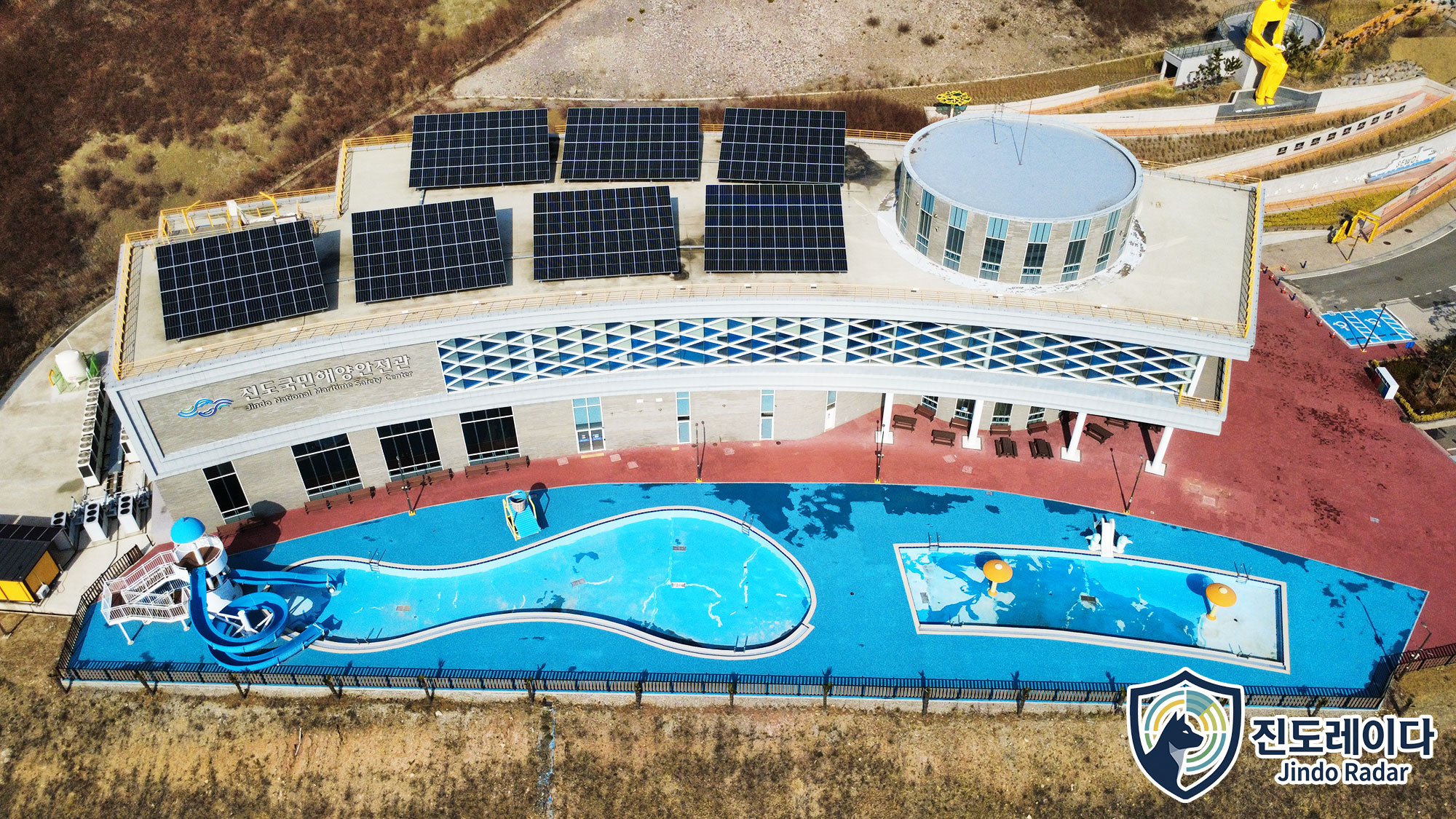
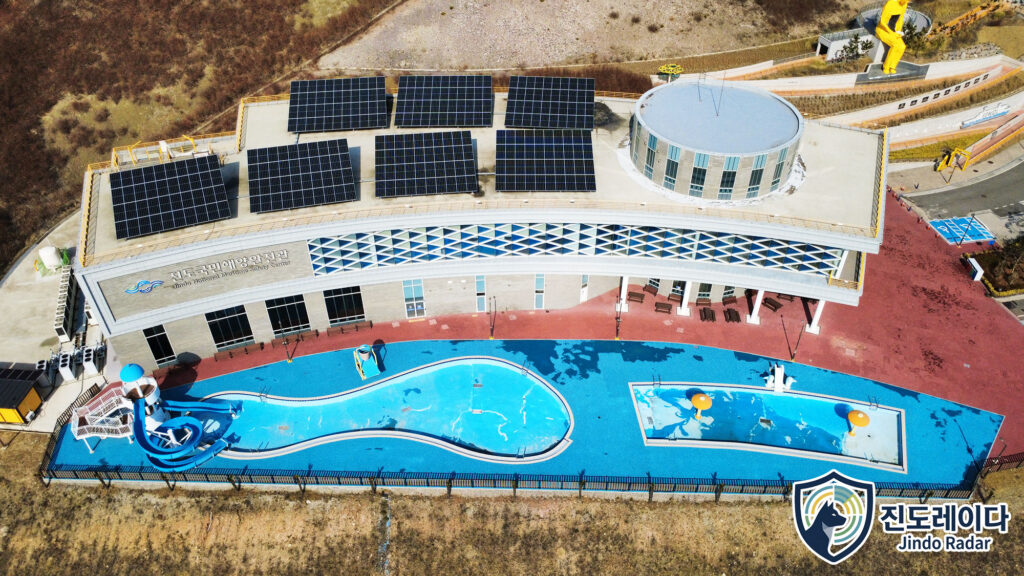
However, as we mark the 12th anniversary of the tragedy, the Sewol ferry itself is hopelessly rusting away at Mokpo New Port. An even more painful reality is the current state of the “National Marine Safety Hall,” built in Jindo to embody the lessons of the April 16 tragedy. With merely 20,000 visitors a year, the results fall far short of expectations. How did this space, constructed with over 40 billion KRW (approx. 30 million USD) of taxpayer money, devolve into an isolated “lonely island” with hardly any visitors?
This represents a tragic failure of administrative convenience that trapped the act of remembrance within a mere physical building. Mourning does not end with construction. The essence of “a world where people can truly live” and “practical livelihoods” ultimately lies in the right to life. Protecting the vulnerable—restraining the strong and supporting the weak—so that their lives are not sacrificed to capital and systemic flaws is both the duty of the living and the core responsibility of the administration.
Architect Yoo Hyun-joon has emphasized through his spatial philosophy that “Space only gains vitality when it interacts with people.” If the Marine Safety Hall is to avoid becoming a massive tomb exhibiting disaster or a taxidermied monument to bureaucratic achievements, it must be redesigned as a living space that connects with the daily lives of Jindo residents.
Furthermore, through the lens of writer Hong Eun-jeon, who has fiercely recorded the voices of the marginalized, we must constantly use this space to ask and answer: “How should the right to life of the most vulnerable—such as children and the disabled—be protected?” Recording a disaster should not be in the past tense, but an ongoing struggle to prevent future tragedies.
Jindo County must not merely rely on central government subsidies to cover the deficit of the Marine Safety Hall. It needs to be transformed into an arena for practical education by integrating it with local educational infrastructure, such as the Jindo Office of Education’s carbon-neutral practice programs. It should become a place where young people and children gather to discuss safety, life, and ecological coexistence.
Our promise not to forget was not meant to stop in front of a rusty steel structure. Only when the space breathes, and children learn about safety and smile within it, can the living truly mourn the dead. A practical alternative that moves beyond sorrow is the only answer we can offer to the sea of that tragic day.

작성자 소개